

What Is HbA1c?
- HbA1c, or glycated hemoglobin, reflects the percentage of hemoglobin in your red blood cells that is coated with glucose. Because red blood cells live ~3 months, HbA1c indicates your average blood sugar level over that period.
- A higher HbA1c percentage means higher long-term glucose exposure.
Uses of the HbA1c Test
- Diagnosing:
- Type 2 diabetes
- Prediabetes
- Gestational diabetes (in some guidelines).
- Monitoring:
- Long-term glucose control in people with diabetes (Type 1 or 2).
- Helps evaluate if diet, exercise, or treatment adjustments are working.
How It’s Performed
- Blood sample drawn via:
- Venous draw (most common, typically sent to a lab)
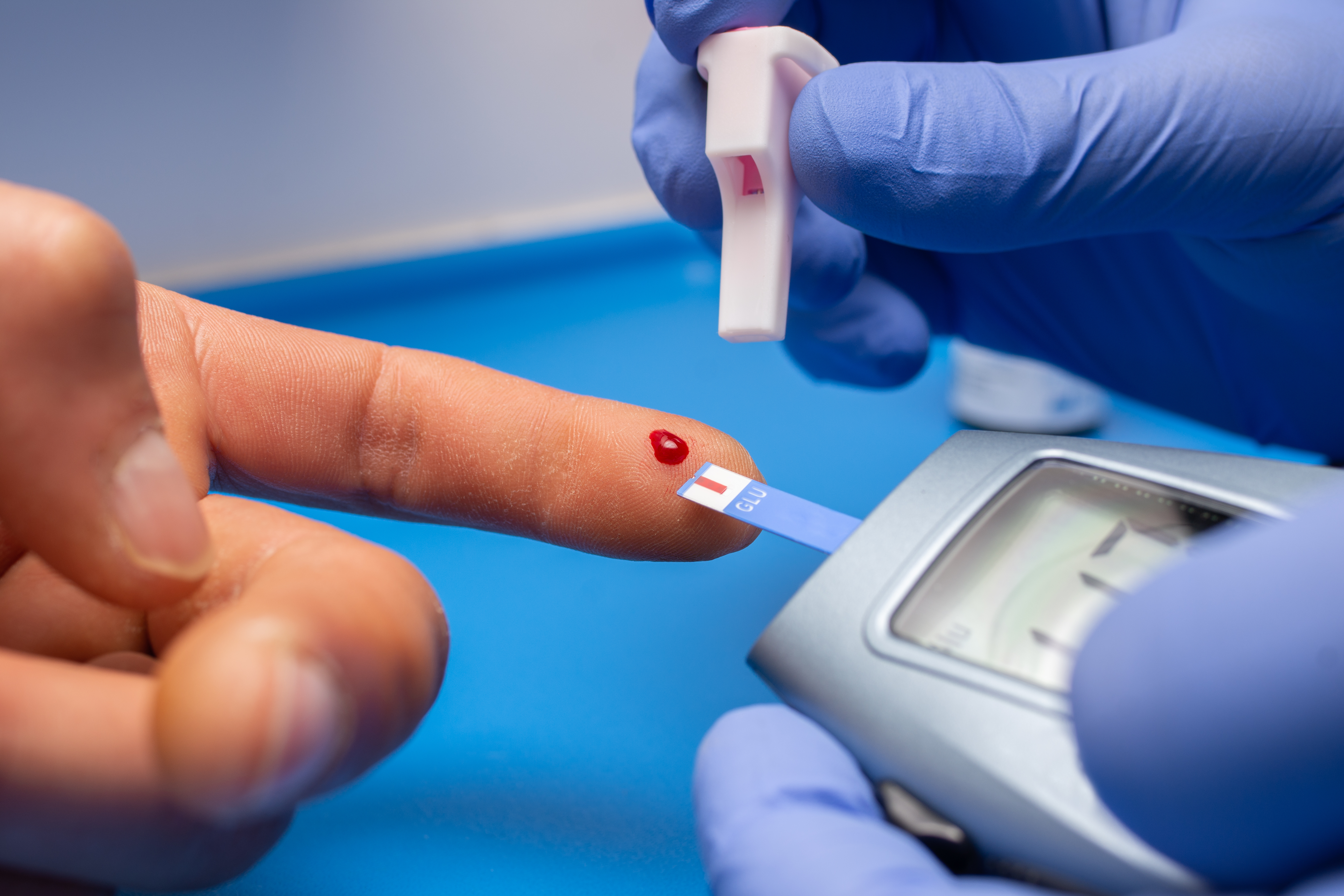
- Finger-prick (point-of-care testing; faster but slightly less accurate).
- No fasting required before the test.
- Some protocols (e.g., combined with lipid tests) may require fasting.
Interpretation of Results
| HbA1c % | Status |
|---|---|
| < 5.7% | Normal |
| 5.7–6.4% | Prediabetes |
| ≥ 6.5% | Diabetes diagnosis |
- For individuals with diabetes, a common target is below 7%, but personalized targets are recommended, especially considering age, comorbidities, and health goals.
- These values widely accepted by CDC, ADA, Mayo Clinic, Cleveland Clinic.

Key Benefits of HbA1c Testing
- Reflects long-term blood glucose levels, not just a snapshot.
- Facilitates early detection of prediabetes and diabetes, potentially preventing complications via timely intervention.
- Monitors effectiveness of lifestyle changes and treatments.
- Reduces risk of micro- and macrovascular complications (eyes, kidneys, nerves, heart) by guiding better glycemic control.
- One test covers several months—less frequent testing needed (e.g., quarterly or biannually).
Recommended Testing Frequency
- Without diabetes:
- People aged 45+ or at high risk: test every 1–3 years.
- If prediabetic: repeat testing every 1–2 years.
- With diabetes:
- Stable, non-insulin-treated: every 6 months.
- Insulin users, unstable glucose levels, or treatment changes: every 3 months.
Summary
- What it measures: Long-term average blood sugar via glycated hemoglobin.
- How it’s used: Diagnosing diabetes/prediabetes, monitoring treatment plans.
- Procedures: Lab-based venous draw or point-of-care finger-prick; non-fasting.
- Interpretation: Standardized thresholds; individualized targets for diabetics.
- Benefits: Comprehensive insight into glucose trends, early diagnosis, better management guidance, lower complication risk, and convenient testing intervals.
References:
- Hemoglobin A1C (HbA1c) Test – Medlineplus
- A1C Test for Diabetes and Prediabetes
- The A1C Test & Diabetes – National Institute of Diabetes and Digestive and Kidney Dieseases
- What Is the A1C Test?
- A1C test – Mayo Clinic
- Significance and Importance of HbA1c – Apollo247
- A1C – Cleveland Clinic
- The role of hemoglobin A1c in the assessment of diabetes and cardiovascular risk – ccjm
- What Is the A1C Test? – diabetes.org