
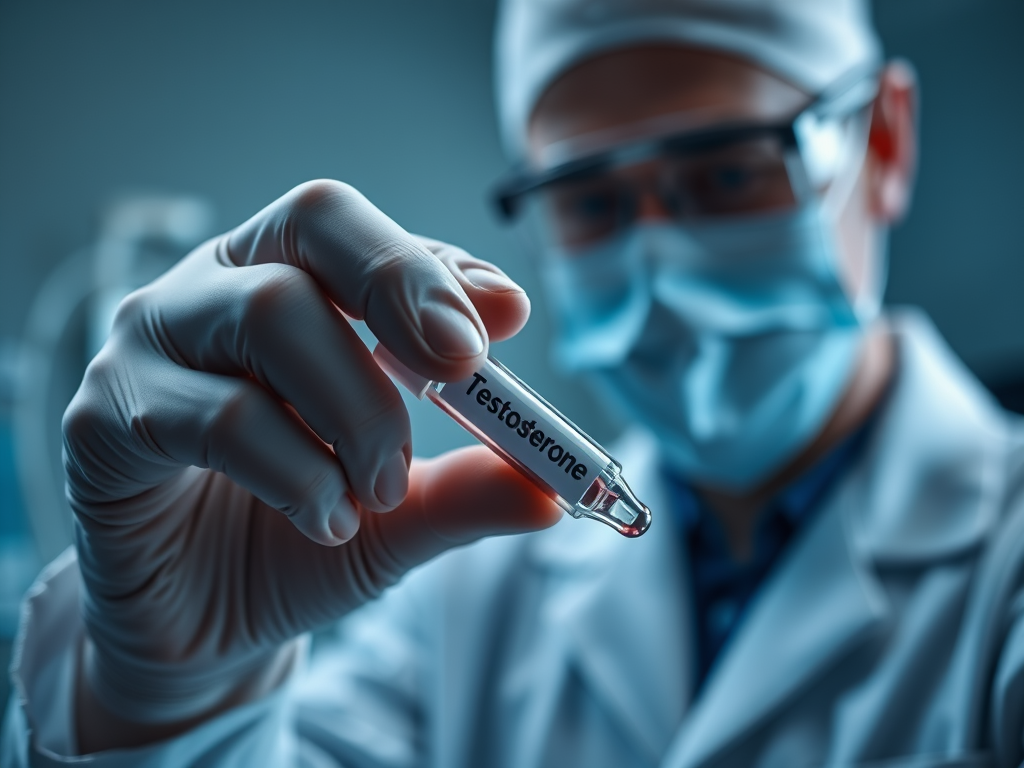

Testosterone is a vital hormone that plays a central role in many physiological processes for both men and women. A testosterone blood test is a diagnostic tool used to measure the levels of testosterone in your bloodstream. It has a wide range of medical applications for both men and women. Here’s a breakdown of its uses and applications:
What Is Testosterone?
Testosterone is a steroid hormone primarily produced in the testicles in men and ovaries in women, with small amounts also made by the adrenal glands. It belongs to a group of hormones called androgens, which are responsible for the development of male traits.
Key Functions of Testosterone
In Males:
- Development of male reproductive organs (penis and testes)
- Puberty changes: deepening of the voice, facial and body hair growth
- Muscle mass and strength
- Bone density and growth
- Sex drive (libido)
- Sperm production
- Mood and cognitive function
In Females:
- Libido and sexual behavior
- Bone strength
- Ovarian function
- Mood and brain function (though research is ongoing
Health Implications
Low Testosterone:
- Fatigue
- Reduced libido
- Depression or mood changes
- Decreased muscle mass and bone density
- Fertility issues
High Testosterone (especially from synthetic sources):
- Aggression or mood swings
- Acne and oily skin
- Increased risk of blood clots, stroke, and prostate issues
- In women: excessive hair growth, voice deepening, menstrual irregularities
Types of Testosterone Tests
- Total Testosterone: Measures both free and protein-bound testosterone.
- Free Testosterone: Measures only the testosterone not bound to proteins, which is biologically active and usable by the body.
- Bioavailable Testosterone : Is the portion of testosterone in the blood that is active and usable by the body. It includes free testosterone and testosterone loosely bound to albumin, excluding the portion tightly bound to SHBG. It’s a key marker for diagnosing hormonal imbalances and assessing androgen activity.
Uses in Males
Doctors may recommend this test for men experiencing:
- Erectile dysfunction
- Low libido (sex drive)
- Infertility
- Loss of body hair
- Low muscle mass
- Gynecomastia (enlarged breast tissue)
It can also help diagnose:
- Delayed or early puberty in boys
- Pituitary gland disorders
- Testicular dysfunction
Uses in Females
In women, the test is used to investigate:
- Excessive facial or body hair (hirsutism)
- Acne
- Irregular menstrual cycles
- Voice deepening
- Infertility
- Polycystic Ovary Syndrome (PCOS)
Uses in Children
- Precocious puberty (early onset)
- Delayed puberty
Other Applications
- Monitoring hormone therapy (e.g., in transgender individuals undergoing gender-affirming care)
- Diagnosing adrenal gland tumors or disorders
- Evaluating pituitary gland function
Test Timing and Preparation
- Often done in the morning when testosterone levels are highest.
- May require fasting depending on the type of test.
- Blood is drawn from a vein, typically in the arm.
References
[1] Testosterone — What It Does And Doesn’t Do – Harvard Health
[2] Testosterone: What It Is, Function & Levels – Cleveland Clinic
[3] Testosterone Test: What It Is, How It’s Done & Results
[4] Testosterone Test: Purpose, Procedure, and Understanding Results – WebMD